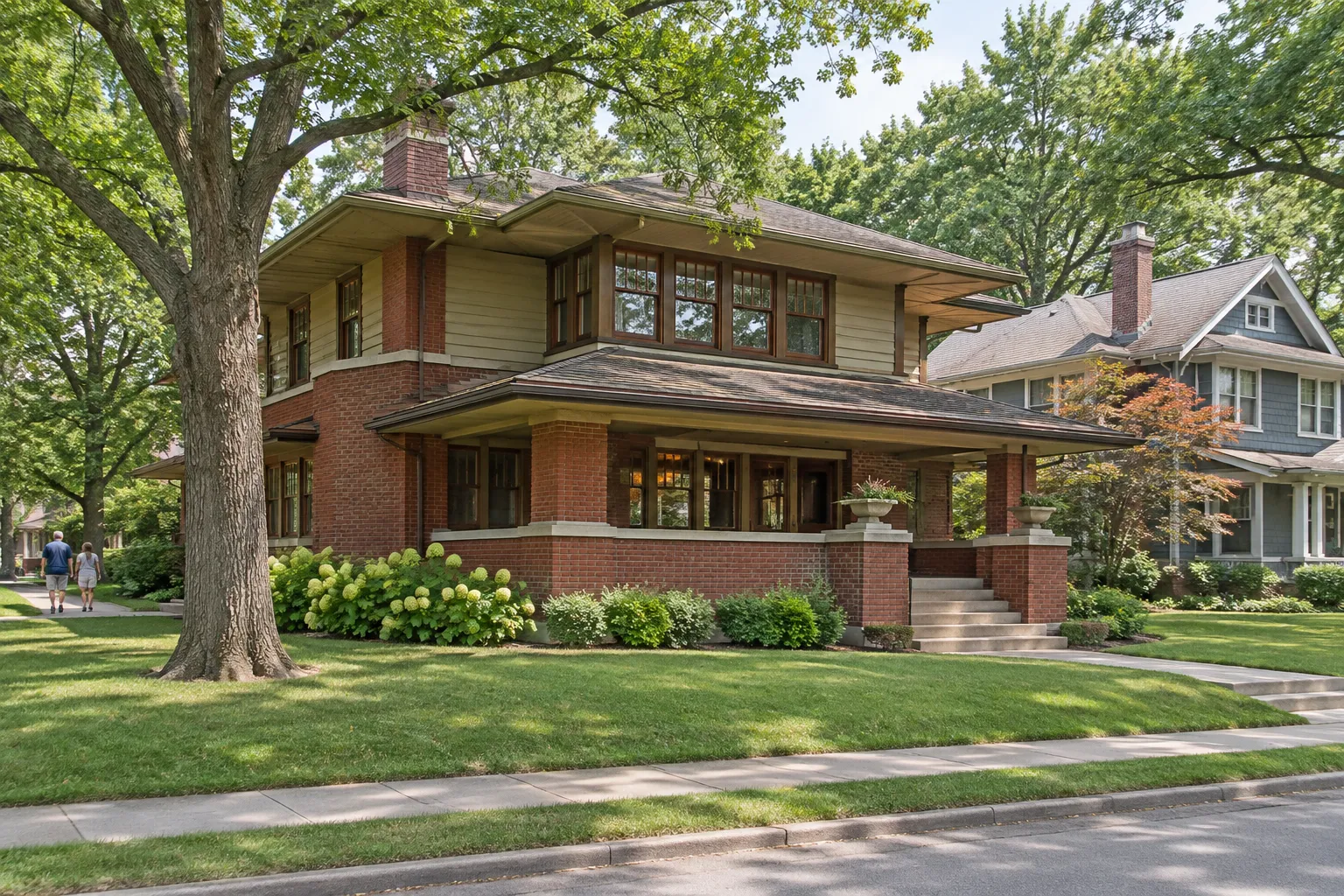
Heritage Hills is a neighborhood just north of downtown Oklahoma City, and it is described as the city's first historic preservation district. Development began just after 1900 and was largely complete by 1930. It was listed on the National Register of Historic Places on June 4, 1979, covers 187.5 acres, and had about 1,189 residents in 2020. Its houses span Châteauesque, Prairie School, Neoclassical, Craftsman and Tudor Revival styles. Many still have original glass, which changes how film should be chosen and fitted. See the areas page for our other neighborhoods.
Can you put window film on original historic glass?
Usually, yes, with care. Old glass is often thinner, may be wavy, and sits in aging glazing, so the installer checks its condition before recommending anything. Clear or very light films that add little heat to the glass are the usual choice, keeping the historic look while cutting UV and some heat.
On old single-pane glass, film can make a noticeable comfort difference without replacing historic windows. See heat control window film.
Do Heritage Hills preservation rules affect window film?
Heritage Hills is a historic preservation district, so changes to the exterior appearance of houses can be subject to review. Interior film that looks clear from the street is a light-touch change, but mirrored, dark or colored film visible from outside may not suit the district. Check with the city's historic preservation office before choosing anything visible.
Low-reflective options are on exterior and low-reflective window film.
Why is UV film so useful in historic homes?
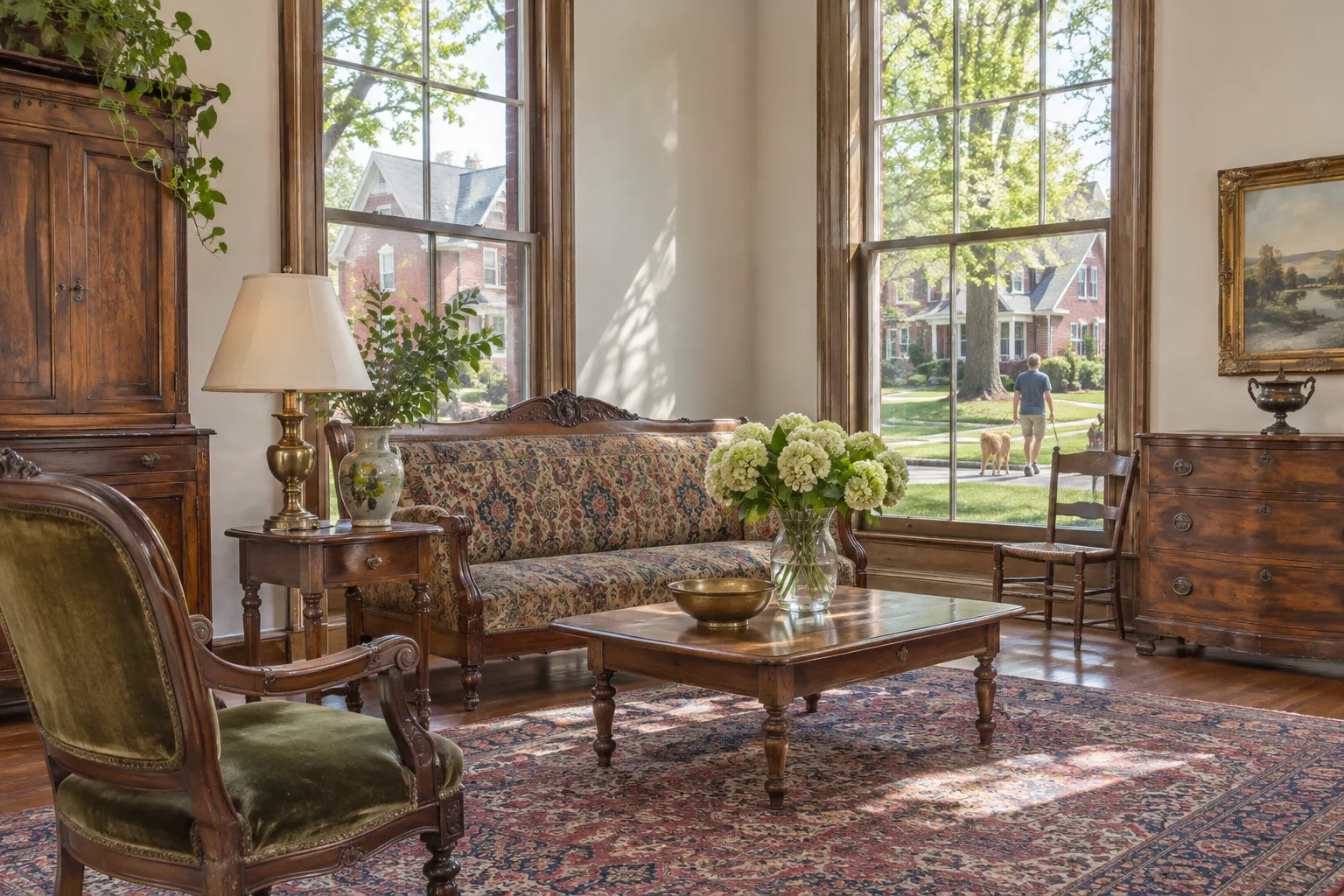
Older homes often hold antique furniture, original woodwork, wood floors, textiles and art, all of which fade in sunlight. Quality films block up to 99% of UV, according to the International Window Film Association, which slows that fading considerably while leaving the glass looking unchanged. It is the least visible change you can make.
Can film help in winter in an old house?
Yes. Original single-pane windows lose a lot of heat on cold nights. An insulating low-e film reduces heat loss through the glass without replacing historic sash, though it doesn't fix drafts at the frame. Weatherstripping and repairing the sash alongside film gives the best result.
What about stained glass and decorative glass?
Real historic stained and leaded glass should not be filmed on its decorative face; it needs a specialist. Plain panes beside it can be treated. Where a house has lost original decorative glass, stained glass look film is a reversible way to restore color without new glass.
See stained glass window film.
What does window film cost in Heritage Hills?
Per-square-foot rates match the wider city: national guides list about $5 to $15 installed for most home film. Historic homes often have many smaller divided panes, tall windows and older glass that need careful handling, which takes more time than modern single panes and can raise the total.
See home window tinting cost. If you own a house here, tell us about the windows and we'll set up a careful visit from a local installer, with a written quote.
Questions people ask
Will window film damage old glass?
Not when the right film is fitted carefully. Old glass is checked for condition first, and light films that add little heat are preferred. The main risks come from unsuitable dark or highly absorbing films and rough handling, which a careful installer avoids.
Do I need approval to tint windows in Heritage Hills?
Possibly, for anything that changes the exterior appearance. Clear interior film is a light-touch change, but mirrored or colored film visible from the street may need review in a historic district. Ask the city's historic preservation office before ordering, and keep a sample photo to show them.
What is the best film for a historic home?
Usually a clear UV film or a very light, low-reflective heat film, which protects interiors and adds comfort without changing how the house looks from the street. Insulating low-e film helps with winter heat loss through old single panes on cold nights.
Every area we cover is listed on Oklahoma City window tinting.
Sources
Last changed