Window security film is a thick, clear or tinted polyester film bonded to the inside of the glass so that when the glass breaks, the pieces stay stuck together instead of falling or flying. That slows down a break-in, cuts the risk of injury from broken glass, and keeps more of the window in place when debris hits it. It doesn't make glass unbreakable or bulletproof. This page explains what it does, what it doesn't, the difference anchoring makes, and where to fit it first in an Oklahoma City home or business.
What does window security film do?
Security film holds broken glass together. The International Window Film Association says safety film can reduce serious cuts by keeping shards in place, and that properly attached film can help stop glass falling out of the frame. Against an intruder, it turns a quick smash into a slow, noisy job.
The main benefits:
- Break-in delay: a filmed pane may crack but hold, so getting through takes longer and makes noise.
- Injury reduction: shards stay bonded to the film instead of scattering.
- Debris protection: glass broken by flying debris in a storm is more likely to stay in place.
- Accidental breakage: a child or a ball through a patio door causes less danger.
Our explainer, what is window security film, covers how the layers work.
What can't security film do?
Security film doesn't stop a determined attacker, doesn't make a window storm-proof, and doesn't stop bullets. The IWFA states plainly that it knows of no window film with ballistic properties. Film buys time and reduces injuries; it should be part of a security plan, with good locks and lighting, not the whole plan.
Be wary of any product sold as bulletproof film. If you genuinely need ballistic protection, that needs rated security glazing, not film. The real costs are explained on security window film cost.
What difference does anchoring the film make?
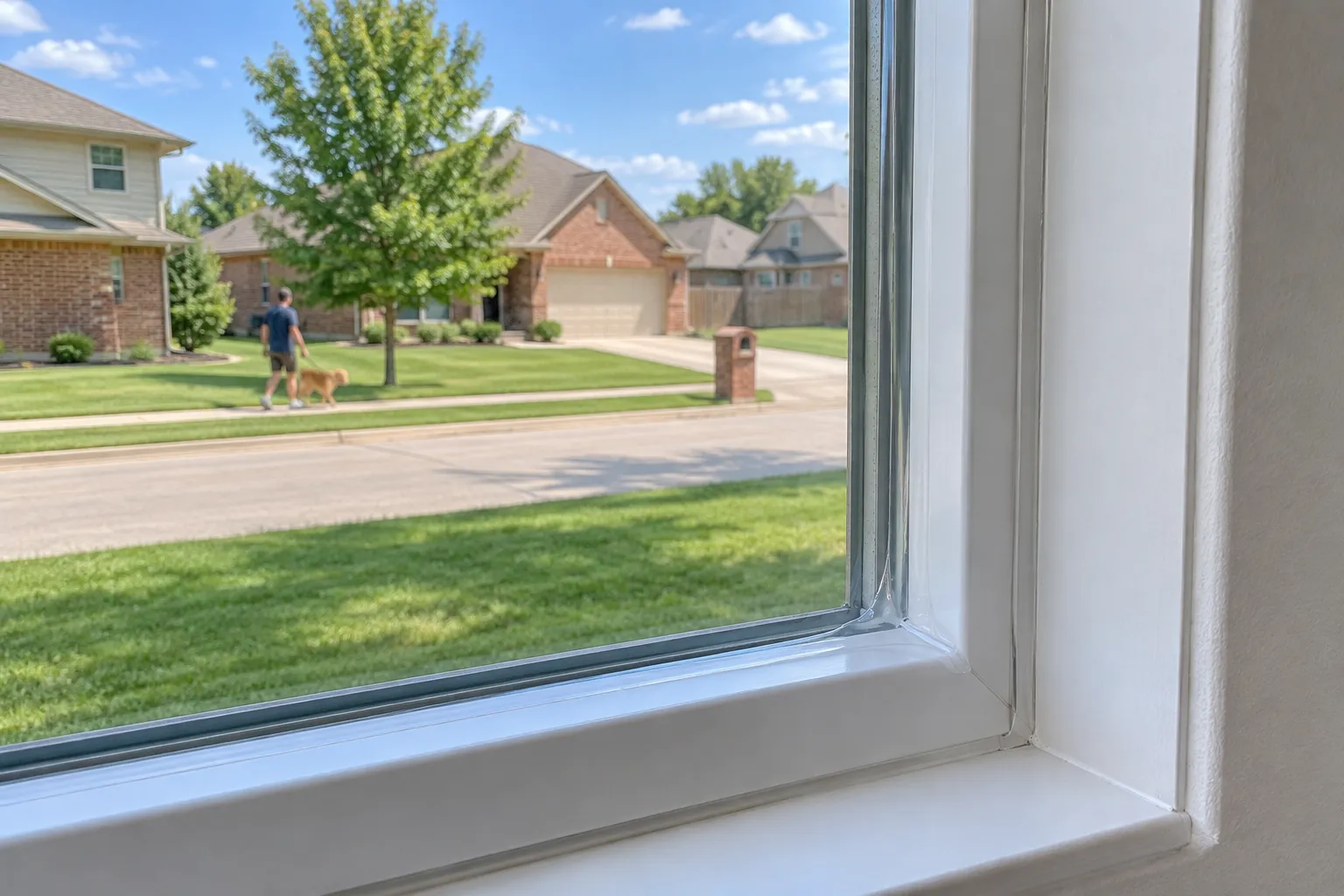
Anchoring, or an attachment system, bonds the film to the window frame as well as the glass. Without it, a filmed pane can hold together but still be pushed out of the frame in one piece. With it, the whole pane stays in place longer. The IWFA notes that film and attachment systems must be matched to the risk.
| Setup | Glass holds together | Pane stays in the frame | Typical use |
|---|---|---|---|
| Safety film, no anchoring | Yes | Less reliably | Accident safety, shower and patio glass |
| Thicker security film, no anchoring | Yes | Less reliably | Home deterrent on doors and low windows |
| Security film with frame attachment | Yes | Much better | Storefronts, higher-risk glass |
Anchoring adds cost, often a few dollars per square foot, and is most worth it on ground-floor commercial glass and doors.
Which windows should get security film first?
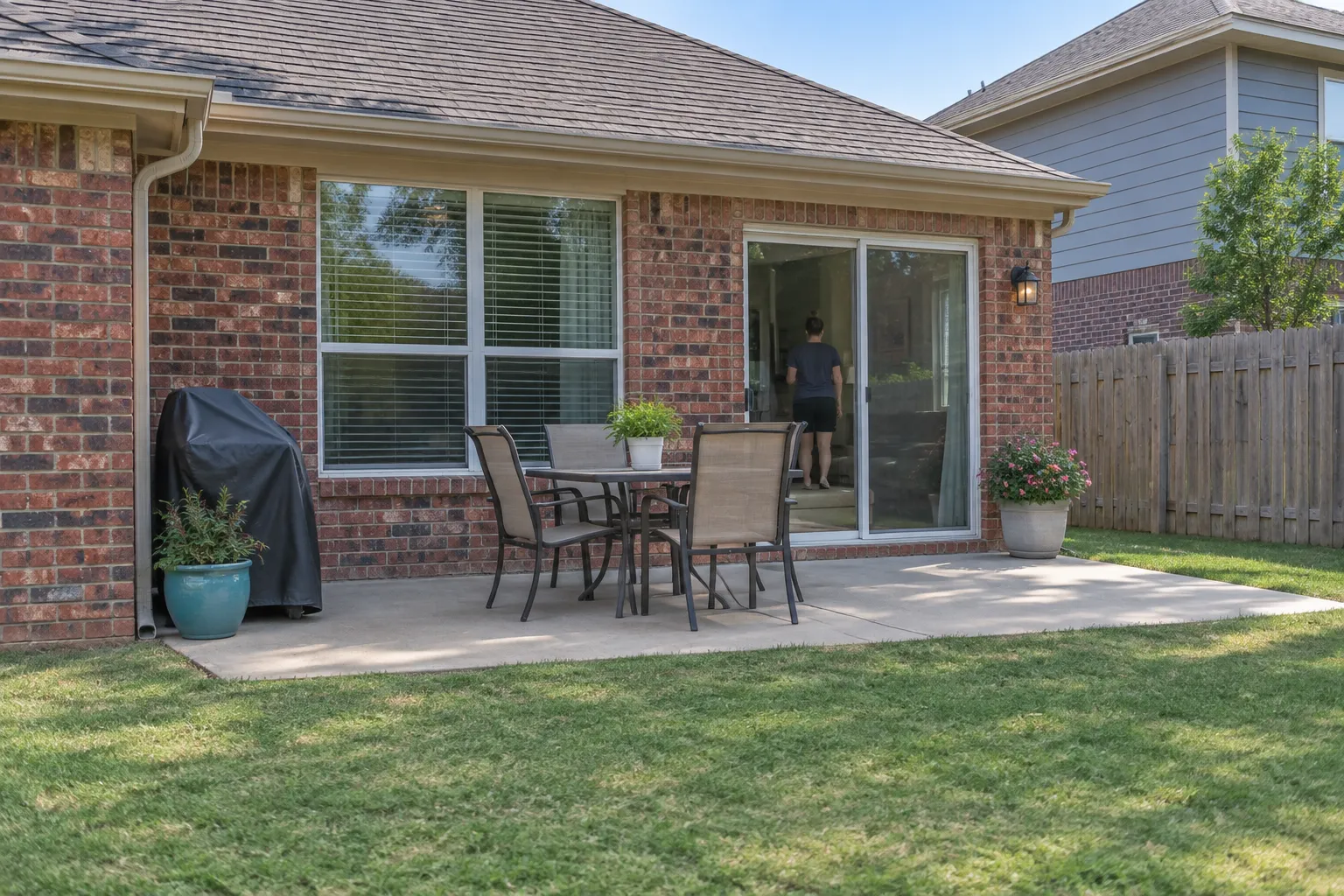
Start with glass that gives quick access to a lock or an easy way in: sliding patio doors, glass beside the front door, ground-floor windows out of sight from the street, and storefront glass. Upper-floor windows are a lower priority for break-ins, though they may still benefit for storm debris.
A typical order for a house:
- Sliding glass doors, the largest and often most hidden glass.
- Sidelights and glass panels near door locks.
- Ground-floor windows at the back or side of the house.
- Glass near stairs and play areas, for accident safety.
Does security film help during Oklahoma storms?
It helps with one specific risk: glass broken by flying debris is more likely to stay in place, so fewer shards land in the house. It does not protect people from a tornado, and it is no substitute for a storm shelter or safe room. Oklahoma's tornado history makes the question common, especially in towns like Moore.
Moore was struck by major tornadoes in 1999 and 2013, and the city later adopted stricter residential building code changes aimed at wind resistance. Our Moore window tinting page covers what film can and can't add there.
Can security film also block heat and UV?
Yes. Security films come in clear and tinted versions, and some combine a safety layer with solar control. A combined film costs more than plain security film but means the glass is only filmed once. Most quality films, security films included, block a high share of UV.
If heat is part of the job, say so when you book so the installer can show combined films; see heat control window film.
Can security film go on tempered or double-pane glass?
Often yes, with the right product. Tempered glass shatters into small pieces, and film can help keep those pieces in the frame, which the IWFA mentions for spontaneous tempered glass failures. On double-pane and low-e glass, the installer checks the film maker's guidance for that glass so warranties stay valid.
Details on tinting double pane windows.
How much does window security film cost?
Published guides put installed security film at about $7 to $15 per square foot, with frame attachment systems adding roughly $2 to $6 per square foot and professional anchored systems costing more. A front door with sidelights often costs a few hundred dollars. You get a written quote after a visit before work starts.
The full breakdown is on security window film cost. Tell us which glass you want protected and we'll arrange a visit.
Questions people ask
Does window film work for security?
Yes, as a delay and safety measure. It holds broken glass together so getting through takes longer and makes noise, which can put off a quick break-in, and it reduces injuries from shards. It doesn't make glass unbreakable, so combine it with good locks, lighting and an alarm.
What thickness of security film is best?
For homes, films of around 7 to 8 mil are often used for security, while 4 to 6 mil films are mainly for accident safety. Thicker films resist more but are stiffer to install and cost more. The right thickness depends on the glass and the risk; ask the installer to explain their recommendation.
Can burglars still get through security film?
Yes, with enough time and force. The film's job is to slow them down and make noise, which often stops opportunistic break-ins. Anchoring the film to the frame makes it harder still. Treat it as one layer of security, never as something that keeps every intruder out.
Is security film visible on the window?
Clear security film is hard to notice once fitted, though very thick films can show a slight edge line around the pane. Anchored systems add a visible bead or strip at the frame. Tinted security films change the look the way any tint does.
Can I install window security film myself?
Thin safety film can be fitted by a careful DIYer, but thick security film is stiff and hard to fit without bubbles, and attachment systems need proper application to work. For doors and ground-floor glass where it matters most, professional installation is usually worth it. See DIY window tinting vs hiring an installer.
Read on
- Sliding door security film
How security film protects sliding patio doors from break-ins and accidents, film thickness, anchoring, combining it with locks and bars,…
- Costs
What security and safety window film costs per square foot, why film thickness and anchoring change the price, and what "bulletproof" film…
- What is security film
What window security film is, how it holds broken glass together, safety film vs security film, thickness in mil, attachment systems and…
See window tinting across Oklahoma City for the other services and what they cost.
Sources
- International Window Film Association, safety and security
- International Window Film Association, before you buy
- Published security window film cost guides (HomeAdvisor, Angi), checked November 2026
- Moore, Oklahoma, tornado history
Last changed