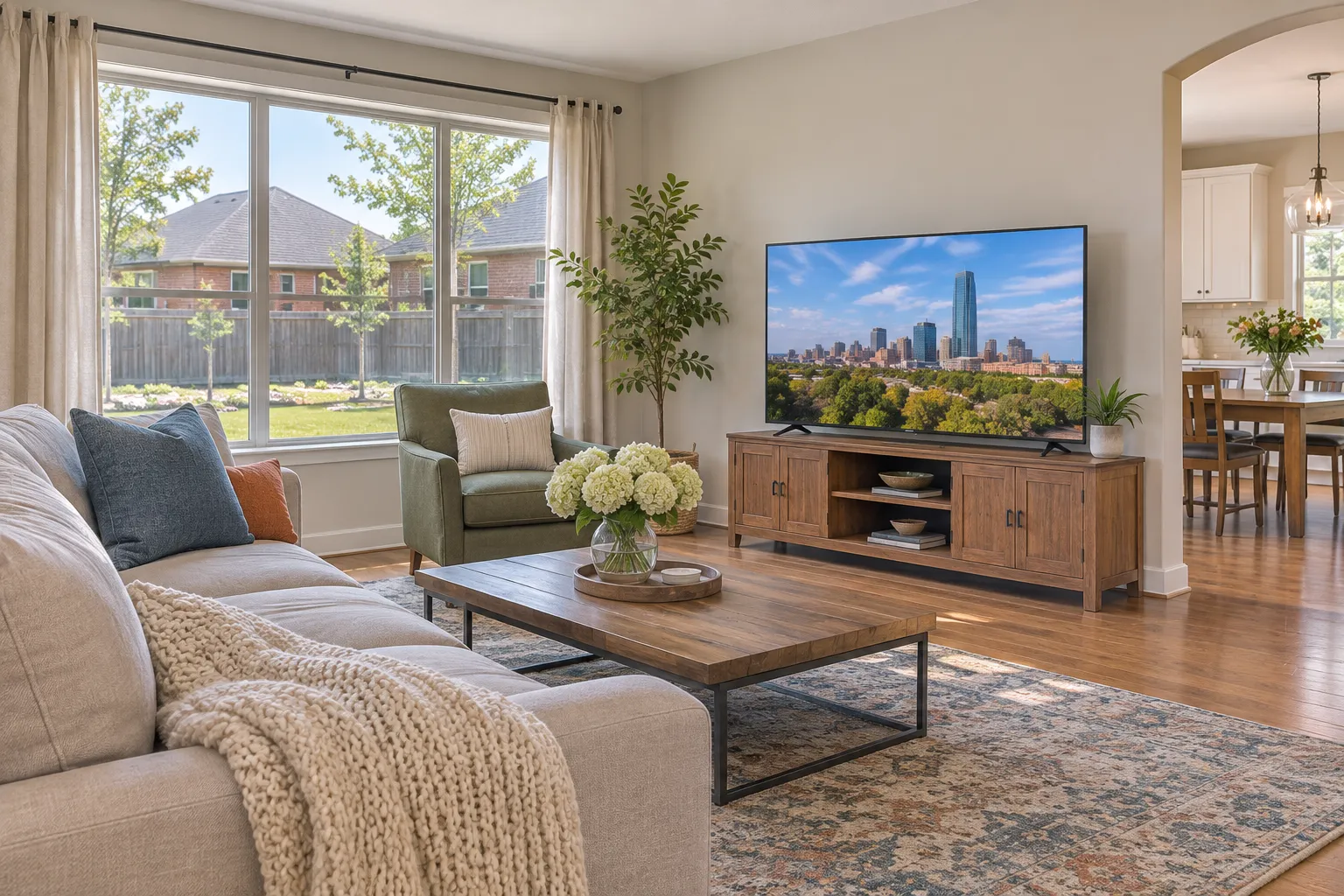
The main benefits of home window tinting are cooler sunny rooms, less glare on screens, protection from UV and fading, privacy where you need it, and safety if glass breaks. The International Window Film Association says residential film can make overheated rooms usable year-round, cut glare on TV screens and reduce fading of furnishings. How much you get depends on the film and which way the windows face. This guide goes through each benefit honestly. For choosing film by room, see home window tinting.
Does window tinting make a house more comfortable?
Yes, mainly in rooms with sunny glass. Heat control film cuts the solar heat coming through west and south windows, which evens out hot spots and makes afternoon rooms usable again. In Oklahoma City, with highs in the 90s for much of the summer, that comfort is the benefit people notice first.
The heat side in detail is on heat control window film and does window tint reduce heat.
Does window film reduce glare?
Yes. Film reduces the intensity of direct sun, so TV and computer screens are easier to see and bright rooms are easier on the eyes. Light films can take the edge off glare without darkening the room; darker films cut more. The IWFA highlights glare on home electronics as a key residential benefit.
Does window film protect against UV and fading?
Yes, strongly. Quality films block up to 99% of UV, according to the IWFA, and the Skin Cancer Foundation says UV window film can block more than 99% of UVA and UVB. That protects skin near windows and slows fading of floors, rugs, furniture and artwork, though no film stops fading entirely.
Can window film add privacy?
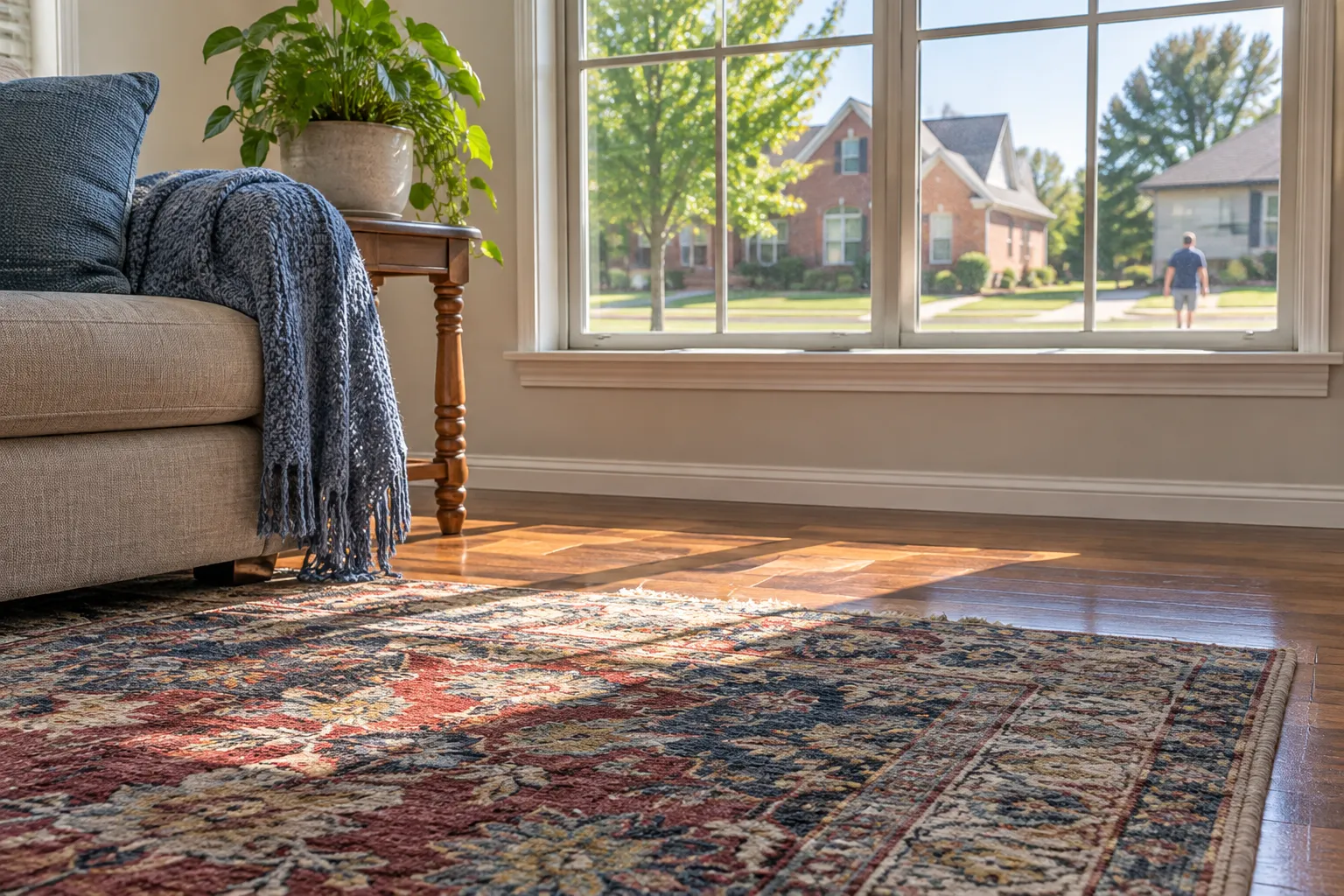
Yes, with the right type. Frosted and decorative films give privacy day and night while letting light in; one-way mirror film gives daytime privacy while keeping your view. Privacy film is popular for bathrooms, front doors and street-facing rooms, and it replaces blinds on glass you never want to look through.
See privacy window film.
Does window film make glass safer?
Safety and security films do. They hold broken glass together, reducing injuries from accidents and slowing break-ins. Even standard films add a little shatter resistance, but for real safety benefits, choose a film rated for it, especially on doors and low glass.
See window security film.
Can window tinting lower energy bills?
It can lower cooling costs in sunny rooms, with the biggest effect on large, unshaded west and south windows. Savings vary a lot between homes, so most homeowners treat comfort as the main return and lower bills as a bonus. Insulating films can also reduce winter heat loss.
See window film energy savings.
Does window film keep the view and daylight?
With the right film, yes. Unlike blinds or solar screens, light films keep the view clear and most of the daylight, and they work all day without anyone adjusting them. That is the advantage over most other ways of controlling sun.
The honest trade-offs are on disadvantages of home window tinting.
Questions people ask
Is window film a good idea for a house?
For windows that get direct sun, usually yes: cooler rooms, less glare, slower fading and optional privacy or safety, without losing the view. For shaded windows the benefits are small. Choosing a light, glass-approved film for the sunny side gets most of the value.
What is the biggest benefit of tinting house windows?
For most Oklahoma City homes, comfort: rooms with big west or south windows stay cooler and usable on summer afternoons. UV and fade protection come close behind, especially in rooms with wood floors, rugs or valuable furniture in the sun.
Does window film protect skin from UV indoors?
Yes. Glass lets UVA through, and the Skin Cancer Foundation says UV window film can block more than 99% of UVA and UVB. That helps people who sit near windows for long periods, such as at a desk or reading chair.
Does window tint add value to a home?
It can make a house more comfortable and protect floors and furniture, which buyers may appreciate, but it isn't usually a feature that raises sale price on its own. Old, failing film can count against a house, so quality matters if you might sell.
Should you tint all your house windows?
Usually not. Tint the windows that take direct sun, mostly west and south, plus any that need privacy or safety. North and shaded windows rarely need heat film, and leaving them clear saves money and keeps their light. You can always add more later.
For the wider picture, start with Paneshade.
Sources
Last changed