Tinting house windows usually costs about $5 to $15 per square foot installed, according to national cost guides checked in November 2026, so most homeowners spend from a few hundred dollars for a couple of windows to a few thousand for all the sunny glass in the house. This page breaks home window tinting costs down by room and by window type, shows where film earns its keep in an Oklahoma summer, and lists ways to keep the bill sensible. You get the exact price in a written quote after a visit.
What does it cost to tint one window in a house?
A single standard window of about 15 square feet costs roughly $75 to $225 in film at guide prices, but most installers have a minimum job charge, often around $250. So one window on its own usually costs the minimum. Adding several windows to the same visit makes each one much better value.
That minimum is why a sensible first job is "all the windows that get afternoon sun" rather than one problem window. The travel and setup cost the installer the same either way.
How much does it cost by room?
Costs by room follow the glass, not the floor area. A living room with a big picture window and a sliding door has far more glass than a bedroom twice its size. These rough guide totals use typical glass areas and a mid-range film; your rooms will differ.
| Room | Typical glass | Standard film (about $5 to $10/sq ft) | Ceramic film (about $10 to $20/sq ft) |
|---|---|---|---|
| Bathroom window, frosted | 8 to 12 sq ft | usually the minimum charge | usually the minimum charge |
| Bedroom, two windows | 25 to 35 sq ft | about $125 to $350 | about $250 to $700 |
| Kitchen with picture window | 30 to 45 sq ft | about $150 to $450 | about $300 to $900 |
| Living room plus sliding door | 70 to 100 sq ft | about $350 to $1,000 | about $700 to $2,000 |
| Sunroom | 120 to 200 sq ft | about $600 to $2,000 | about $1,200 to $4,000 |
Bathrooms usually get frosted rather than heat film; the options are on privacy window film. A sliding glass door is often the single biggest pane in a house and a good place to start.
Which windows are worth tinting first?
Start with west-facing glass, then south, then any window that causes glare on a screen or fades a floor. In Oklahoma City, with highs in the 90s through much of the summer, west windows take the hottest afternoon sun. North windows rarely need heat film, so leaving them out cuts the bill without losing much comfort.
A practical order for a typical house:
- West living areas and the sliding door.
- South-facing rooms you use in the day.
- Any skylight, since it takes direct overhead sun.
- Bathrooms and front door glass, for privacy rather than heat.
- East bedrooms, if morning sun wakes you.
Do double-pane or low-e windows cost more to tint?
Sometimes. The installation takes about the same time, but some double-pane and low-e glass needs a particular film from the manufacturer's approved list, and that film can cost more than a basic product. The International Window Film Association advises asking the installer whether your windows are suitable and which film they recommend for that glass.
We explain the checks on tinting double pane windows and window film on low-e glass.
How much do French doors, skylights and odd shapes cost?
More per square foot than plain windows, because cutting and fitting around muntins, curves and overhead glass takes longer. This Old House lists French doors at about $10 to $19 per square foot and skylights up to about $19. Arched and half-round windows are priced similarly, depending on their size and how they are reached.
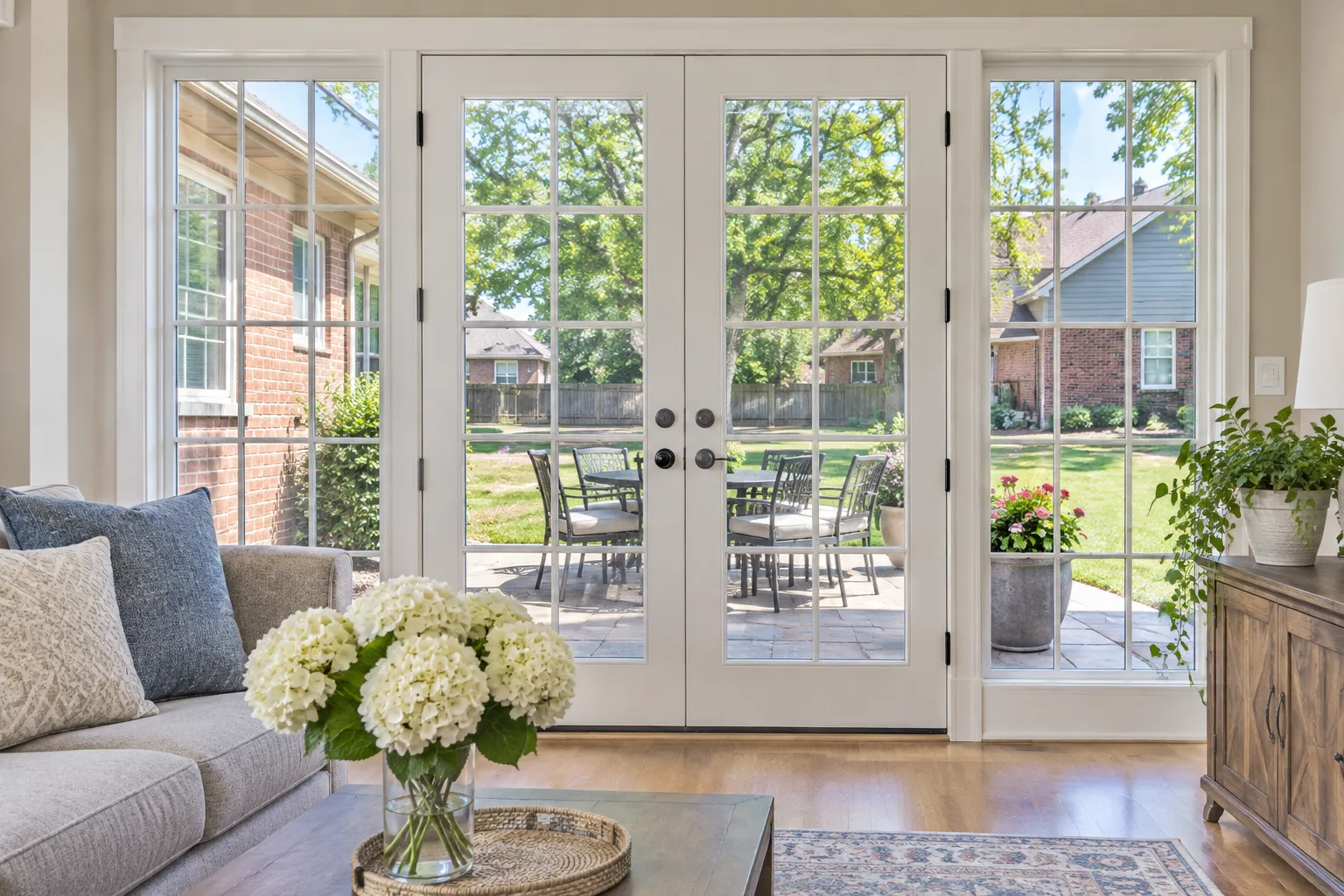
If you have many small divided panes, ask whether the installer charges per pane or per square foot, since the difference can be large.
How can I keep the cost of tinting my house down?
Treat only the glass that needs it, do it in one visit, and choose the film by window rather than one premium film everywhere. Ceramic film on the sunny side and standard or frosted film elsewhere often gives most of the benefit at a lower total. Ask for a quote with the price per window so you can drop items.
More ways to save:
- Combine privacy and heat jobs into one visit so you only pay one minimum.
- Ask whether a lighter, standard solar film will do on windows you rarely look out of.
- Remove easy, newer old film yourself before the visit, if the installer agrees; see how to remove window tinting.
- Compare quotes on the same film, not on the cheapest film each installer offers.
Is DIY home window film cheaper?
Yes, much cheaper in materials: store film can cost a small fraction of installed prices. But DIY film is usually thinner, has a shorter warranty, and is hard to fit without bubbles on large panes. For a small, easy window, DIY can make sense; for big or specialty glass, professional installation usually works out better.
The full comparison is on DIY window tinting vs hiring an installer.
What should a home window tinting quote include?
A good quote names the exact film and its specs, lists each window or the total square feet, says whether removal of old film and cleanup are included, and states the warranty for the film and for the workmanship. It should also say the installer checked your glass type. A single price with no detail is hard to compare.
You can compare it against the overall ranges on window tinting cost. When you are ready, tell us which rooms and we'll arrange a visit and a written quote.
Questions people ask
What is the average cost to tint house windows?
National guides put installed residential film at about $5 to $15 per square foot. Many homeowners treating only their sunny windows spend somewhere between several hundred dollars and a couple of thousand. A whole glass-heavy house with ceramic film can cost more. Small jobs usually cost the installer's minimum, often around $250.
Is home window tinting worth the money?
For windows that take hard afternoon sun, usually yes: rooms stay more comfortable, glare drops, and fading slows. The return is mostly comfort, with some cooling savings. It is rarely worth it on shaded north windows. Spending on the sunny side first gives the best value for each dollar.
Does home window film add value to a house?
It can make a house more pleasant to live in and protect floors and furniture from fading, but it is not usually listed as a feature that raises a home's sale price on its own. Film that looks poor, bubbles or peels can count against a house, so quality of installation matters if you might sell.
How long does it take to tint a house?
A few windows take a couple of hours. A whole house of sunny windows usually takes most of a day, more with French doors, skylights or old film to remove. The installer gives a time estimate with the quote. The film then needs time to cure before you clean it.
Do installers charge for the quote visit?
Many window film installers give quotes free, but practice varies, especially for distant or very small jobs. Ask when you book. With us, you tell us about the job and we arrange the visit; the written quote tells you the price before anything starts.
Prices are one part of the job: window tinting across Oklahoma City covers the rest.
Sources
- Published national home window tinting cost guides (HomeAdvisor, Angi, HomeGuide, HomeStars, This Old House), checked November 2026
- International Window Film Association, FAQ
- Oklahoma City climate normals, 1991 to 2020 (NOAA data via Wikipedia)
Last changed