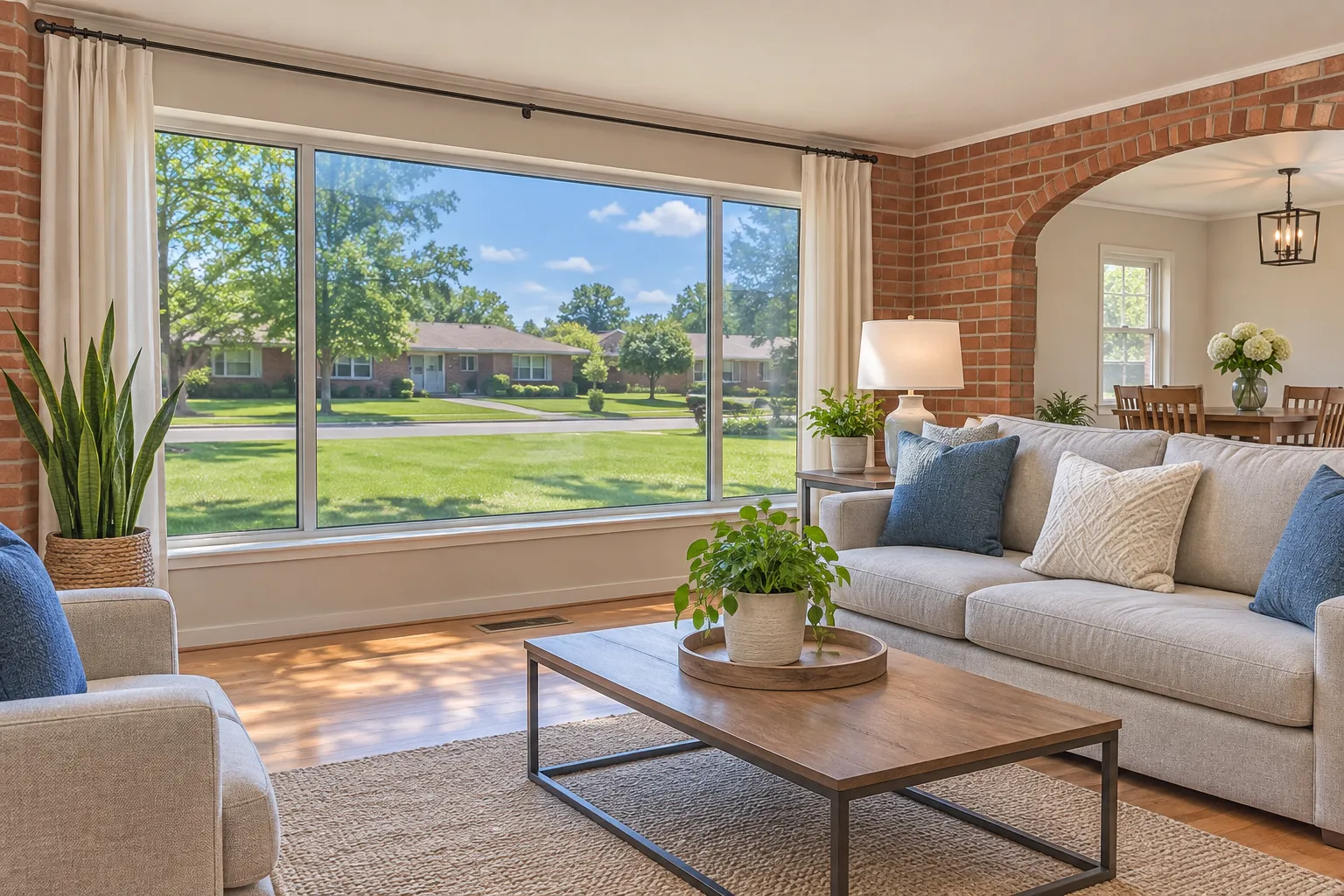
Window tinting in Oklahoma City means fitting a thin film to the glass in your home or business to cut heat, glare and UV, and where you want it, to add privacy or safety. Oklahoma City gets around 3,000 hours of sunshine a year and summer highs in the 90s, so most people come to it because a room is too hot or too bright to use in the afternoon. We are a mobile service across the metro: tell us about the job, we'll arrange a visit from a local window film installer, and you get a written quote before any work starts. This page answers the questions people ask most, with guide prices, and points you to the page for your exact job.
What does window tinting do for a home or business?
Window film reduces the sun's heat coming through the glass, cuts glare, and blocks up to 99% of UV rays, which slows fading of floors and furniture. Depending on the film, it can also give privacy, hold broken glass together, or change the appearance of the glass. It does all this without blocking the view, if you choose a light film.
Most jobs fall into one of five goals:
- Cooler rooms. Solar control and ceramic films reject part of the sun's heat on the windows that take direct sun. In a city that reaches 90°F on close to 70 days a year, west and south windows are where people feel it.
- Less glare. A light film takes the hard edge off TV and computer screens and makes afternoon rooms easier on the eyes.
- UV and fading protection. The Skin Cancer Foundation says UV window film can block more than 99% of UVA and UVB, the rays that also fade fabrics and wood.
- Privacy. Frosted, decorative and one-way mirror films stop people seeing in.
- Safety and security. Thicker films hold the glass together if it breaks.
Which window film do I need?
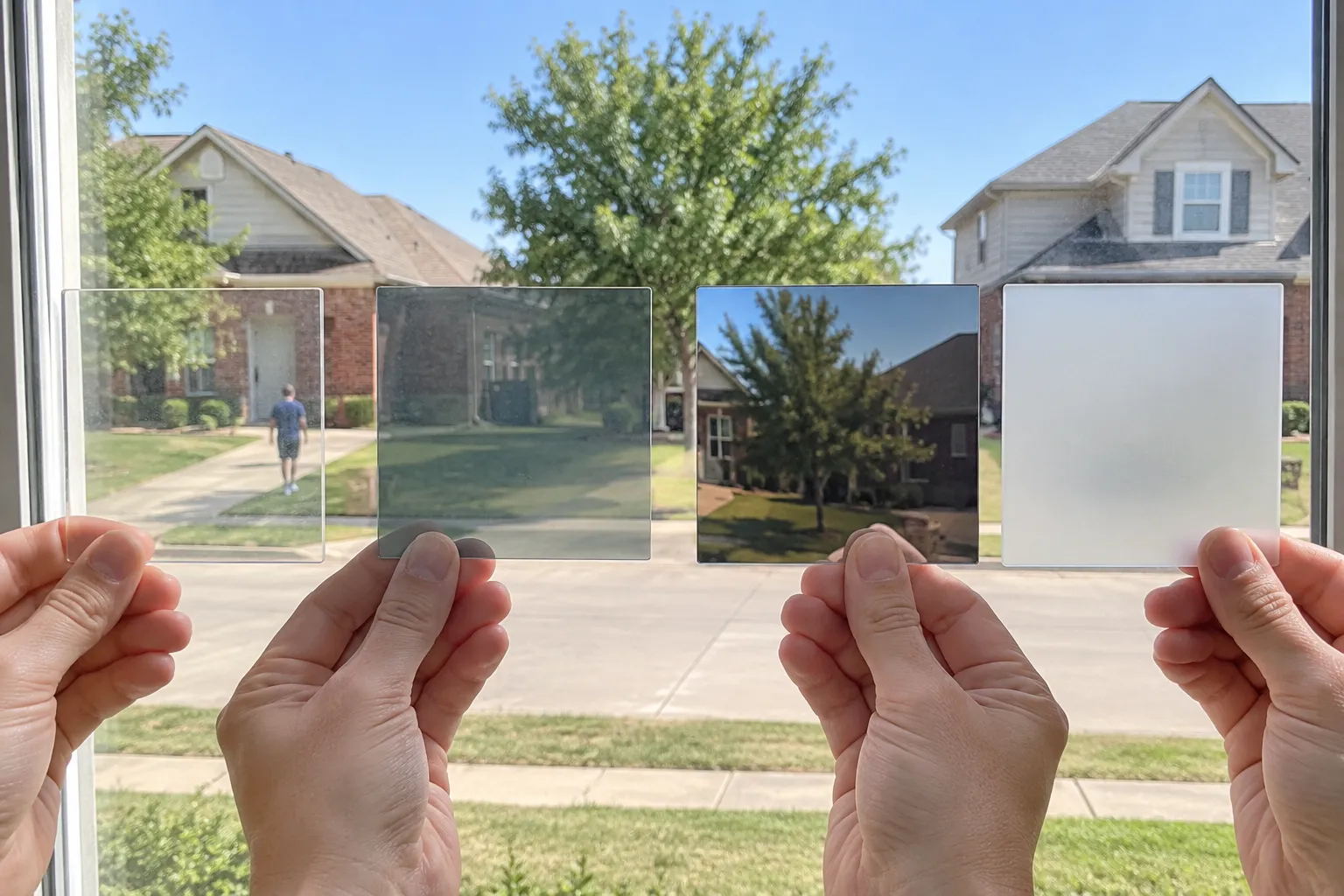
Start from the problem, not the film. Heat in sunny rooms points to ceramic or heat control film. Privacy in bathrooms or on the street side points to frosted or mirror film. Break-ins or storm worries point to security film. Offices and shops usually need a mix. The table matches each problem to the page that covers it.
| Your problem | Film to look at | Guide |
|---|---|---|
| Rooms too hot in the afternoon | Heat control or ceramic film | Heat control window film, ceramic window film |
| Maximum heat cut, mirrored look is fine | Reflective film | Reflective window film |
| People can see in | Frosted or one-way mirror film | Privacy window film |
| Plain glass you want to dress up | Decorative or frosted patterns | Decorative window film |
| Break-ins, storm debris, safety | Security and safety film | Window security film |
| Office, clinic or storefront glass | A mix, chosen per elevation | Commercial window tinting |
| A whole house, several rooms | Usually two films | Home window tinting |
If you are choosing between brands, our comparison of 3M, LLumar and Gila window film explains what differs. If you are choosing between film and glass, see frosted glass vs film.
How much does window tinting cost in Oklahoma City?
National cost guides put professionally installed home window film at roughly $5 to $15 per square foot. Standard UV and solar films are at the low end, ceramic and security films at the high end, and switchable smart film costs far more. Many installers set a minimum job charge, often around $250, because of travel and setup time.
The things that move a quote up or down:
- Film type. Ceramic, security and decorative custom-cut film cost more than standard film.
- How much glass. More square feet costs more in total but often less per square foot.
- How many panes. Twenty small panes take longer than four large ones of the same area.
- Access. Second-floor windows, skylights and tall storefronts may need ladders or lifts.
- Old film. Removing failed film and adhesive first adds time.
Every cost page on this site gives ranges with sources: window tinting cost for the overview, then home window tinting cost, commercial window tinting cost, ceramic window film cost, security window film cost, decorative window film cost, switchable privacy glass cost and the cost to block heat through windows.
Is $500 a lot for window tint?
Not for a house. At typical installed prices, $500 covers roughly 35 to 100 square feet of film, which is a few large windows or one sliding door and a picture window. Tinting every sunny window in a house usually costs more. For a small job, $500 may include the installer's minimum charge.
The useful question is what you get for the money: which film, how many square feet, whether old film removal is included, and what the written warranty covers. A cheaper quote on a lower grade of film can cost more over time if it fades or peels early. Compare quotes on the same film and the same windows.
How long does window tint last?
Quality window film installed on the inside of the glass typically lasts 10 years or more, and the Skin Cancer Foundation describes UV window film as effective for up to a decade. Life depends on the film, the glass, the direction the window faces and how well it was installed. Exterior films wear faster because they face the weather.
Signs that film is reaching the end of its life are bubbling, peeling at the edges, a purple tint in older dyed films, or a hazy look. Our guides on how long window tinting lasts and window film peeling explain what causes each and what to do. Film makers back their products with written warranties, and our page on window film warranties explains what they usually cover.
Is 20% or 35% tint darker, and which should I get?
A 20% film is darker than a 35% film. The number is visible light transmission (VLT): the share of daylight that gets through. So 20% lets through less light than 35%. For homes, lighter films are more common, because most people want cooler, less glary rooms without making them dim.
As a rough guide for houses and offices:
- 50% to 70% VLT: barely noticeable from inside. Good for living rooms and kitchens when paired with a ceramic or spectrally selective film that still rejects heat.
- 35% VLT: a noticeable tint with stronger glare control. Common on harsh west windows.
- 20% VLT or darker: dark. Suits media rooms and glare-heavy offices, not most family rooms.
Darkness is not the same as heat rejection. A light ceramic film can reject more heat than a darker dyed one, so compare the heat rejection figure, not just the VLT. And from the street, people can usually see into a lit room at night through any tint; see privacy window film for what works after dark.
Does Oklahoma's window tint law apply to house windows?
No. Oklahoma's tint limits, including the rules for front side windows, are part of its motor vehicle laws and apply to cars and trucks. House and office windows have no state tint limit. What can apply to buildings are HOA covenants, landlord rules and historic district guidelines, especially for mirrored or colored film visible from the street.
We only arrange home and commercial window film, not vehicle tint. If you live in a historic area such as Heritage Hills or an HOA neighborhood, check what is allowed on street-facing glass before choosing a mirrored film. Our areas we cover page notes where local rules are worth checking.
Can I just pull old tint off my windows?
Sometimes. Newer film can often be peeled off in one piece, especially on a warm day or with gentle heat. Older, sun-baked film usually tears into small pieces and leaves adhesive behind, which then has to be soaked and scraped off with care. On double-pane or low-e glass, use only methods safe for that glass.
Removal is slow work rather than hard work. Our step-by-step guide on how to remove window tinting covers the methods, and removing window film adhesive covers the sticky part. If you'd rather not do it, removal is a normal part of a quote: see window film removal.
What should you not do after window film is installed?
Don't clean the film or press on it while it cures. Installers usually advise waiting about 30 days before cleaning, longer in cool weather. Small water pockets and a slightly hazy look are normal during curing and clear by themselves. After that, clean with a soft cloth and a mild cleaner, never anything abrasive or a sharp scraper.
The full list:
- Don't pick at bubbles or edges while the film cures.
- Don't use razor blades, scouring pads or rough sponges on the film.
- Don't stick suction cups or tape to it.
- Do ask the installer for their aftercare sheet, because cure times differ by film.
Is dish soap OK for applying window film yourself?
A few drops of mild dish soap or baby shampoo in water is the slip solution many DIYers use, so the film can be positioned before it sticks. Some film makers sell their own solution and recommend it for their film. Too much soap can slow the bond, so use very little, and follow the film maker's instructions where they give them.
Soap is the easy part of DIY. The hard parts are getting the glass perfectly clean, cutting edges neatly, and squeezing out every bubble on a big pane. Our guide to DIY window tinting vs hiring an installer covers the tools, the steps and the windows that are better left to a professional, such as double-pane glass and large sliding glass doors.
How does a visit and written quote work?
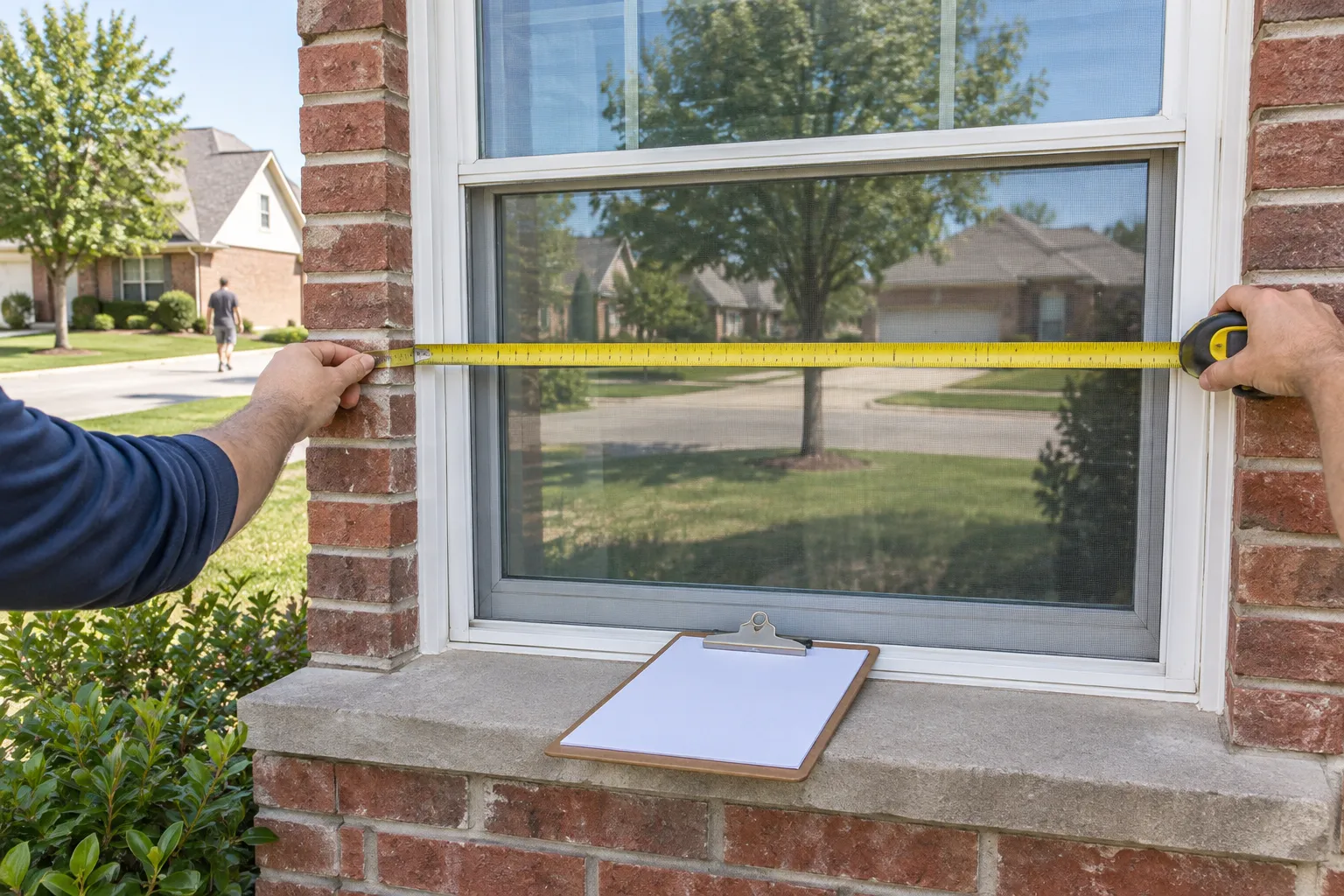
You tell us about the job in a short form. We arrange a visit from a local window film installer, who looks at the glass, measures it, checks the glass type against the film maker's guidance, and shows you film samples. You get a written quote, and nothing starts until you say yes.
Step by step:
- Tell us about the job. Which rooms or windows, what the problem is, and roughly when.
- We arrange the visit. A local installer comes to your home or business at a time that suits you. It is a mobile service across the metro.
- You get a written quote. It lists the film, the windows and the price. You decide.
The full process, including who does the work, is on how it works. Questions before you book can go to our enquiries page, and you can start a quote at any time on the quote page.
Which areas around Oklahoma City do you cover?
We cover Oklahoma City and the surrounding metro, including Edmond, Norman, Moore, Yukon, Mustang, Midwest City, Del City, Nichols Hills, The Village, Bethany, Piedmont and Choctaw, and east to Shawnee. Each area has its own page with notes on its housing, weather and local rules.
Some highlights from those pages: Moore's window tinting page covers safety film after the town's tornado history; Heritage Hills covers older original glass in a historic district; Edmond and Norman cover a wide mix of older and newer homes; and Shawnee covers the Pottawatomie County seat east of the metro. The full list is on areas we cover, and every guide on the site is listed under guides.
Questions people ask
Is window film a good idea?
For windows that take direct sun, usually yes: it makes rooms more comfortable, cuts glare, slows fading and can lower cooling costs, while keeping the view. It is less useful on shaded windows. On some double-pane or low-e glass the film has to be chosen carefully, which is why an installer checks the glass first.
Can people see you through 35% tint?
In daylight, from outside, a 35% film makes it harder to see in, but people can still see shapes close to the glass. At night with lights on inside, people can see in through any normal tint. For real privacy after dark, use frosted film, decorative film, or blinds.
Do you offer mobile window tinting?
Yes. Home and commercial window film is always installed on site, so the service comes to you. We arrange a local installer to visit your home or business across Oklahoma City and the surrounding metro, measure the glass and give you a written quote before any work starts.
Is removable window tint a good option?
Static cling film is removable and suits renters, short-term privacy or testing a look. It is thinner and less durable than adhesive film, can lift in summer heat and rarely looks as smooth on big panes. For a lasting result, adhesive film is better, and it can still be removed later.
Do you tint car windows?
No. This service covers window film for homes and businesses only: houses, apartments, offices, storefronts and other commercial glass. For vehicles, look for a dedicated auto tint shop, which will also know the Oklahoma rules for vehicle windows and which shades are legal on each window of a car.
Window tinting in Oklahoma City
- Home window tinting
How home window tinting works in Oklahoma City, which film suits heat, glare and privacy, what it costs per square foot, and how to book a…
- Privacy window film
Frosted, one-way mirror and decorative privacy film compared: which keeps people from seeing in by day and at night, and how a visit and…
- Heat control film
How heat control window film cools sunny rooms in Oklahoma City summers, which film types reject the most heat, and what to ask before you…
- Ceramic film
What ceramic window film is, how it compares with dyed, carbon and reflective film, whether it is worth the higher price, and how a visit…
- Commercial tinting
Window film for offices, storefronts and commercial buildings in Oklahoma City: heat and glare control, privacy, security and branding,…
- Costs
What window tinting costs for homes and businesses in Oklahoma City, per square foot by film type, with worked examples and what pushes a…
- How long tint lasts
How long home and office window film lasts, what shortens or extends its life, signs it needs replacing, and how warranties and care fit in.
- Film peeling
Why window film peels, bubbles or lifts at the edges, which bubbles are normal after fitting, what you can fix, and when film needs…
- Film warranties
What window film warranties usually cover, the difference between the film maker's warranty and the installer's, glass and seal cover, and…
- Brands compared
How 3M, LLumar and Gila home window films differ, who makes them, which are installer films and which are DIY, and what matters more than…
- Winter film
Which window films help in winter, how insulating low-e film works, what U-value means, and why most summer heat-control film does little…
- Decorative film
Frosted, patterned, gradient and stained glass look window film for homes and offices in Oklahoma City: what each style does, where it…
- DIY or pro
Can you tint house windows yourself? The tools, the steps, the mistakes, which windows suit DIY film and which are better left to an…
- Glass vs film
Frosted or etched glass compared with frosted window film: cost, looks, durability, privacy, cleaning and removability, and which suits…
- Reflective film
How reflective (mirror) window film blocks heat and gives daytime privacy, its downsides at night and with HOAs, and how it compares with…
- Film removal
Removing old, bubbled or peeling window film from homes and offices in Oklahoma City: when to remove it, how it is done safely, what it…
- Security film
What window security and safety film does for break-ins, storm debris and accidents in Oklahoma City homes and businesses, its limits, and…
- Costs
What ceramic window film costs per square foot for homes and offices, how it compares with standard film, and when the higher price is…
- Costs
Guide prices for office, storefront and commercial building window film in Oklahoma City, per square foot by film and project size, and…
- Costs
Compare what it costs to block window heat with solar film, ceramic film, solar screens, blinds or new windows, and which option suits an…
- Costs
Guide prices for frosted, patterned, stained glass look and custom decorative window film, and how they compare with frosted or etched…
- Costs
What it costs to tint house windows in Oklahoma City, by room, window type and film, with guide prices per square foot and ways to keep…
- Costs
What security and safety window film costs per square foot, why film thickness and anchoring change the price, and what "bulletproof" film…
- Costs
What switchable smart film and smart glass cost per square foot, what adds to the bill (power, wiring, controls), and cheaper ways to get…
Sources
- Skin Cancer Foundation, UV window film
- International Window Film Association, FAQ
- International Window Film Association, commercial
- International Window Film Association, safety and security
- Oklahoma City climate normals, 1991 to 2020 (NOAA data via Wikipedia)
- Published national home window tinting cost guides, checked November 2026
Last changed